
Technology
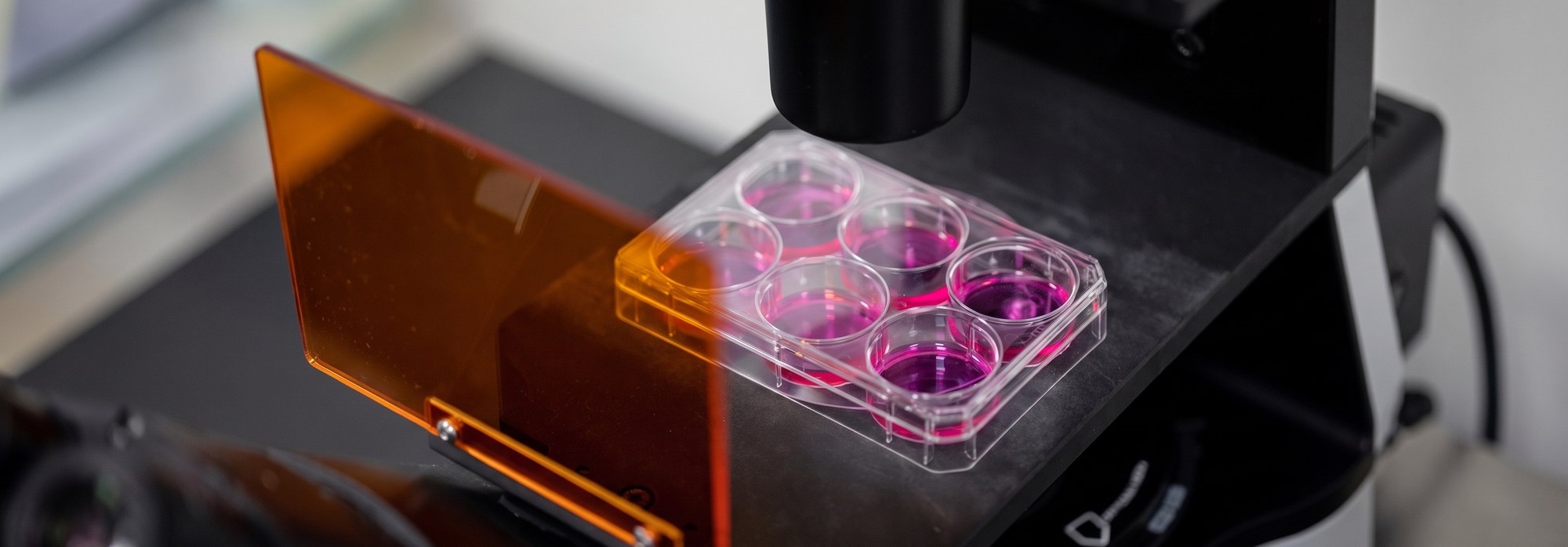
A superior technology to produce safe and efficient cell culture supplements. For years, we’ve focused on developing and supplying Human Platelet Lysate — on this page, we share what we’ve learned.
The supplement that replaces animal serum
Human Platelet Lysate (HPL) is derived from human blood platelets and used as a cell culture supplement — the substance added to growth medium that supplies the growth factors cells need to expand outside the body. For decades, Fetal Bovine Serum (FBS) filled this role by default. ELAREM™ Human Platelet Lysate Technology was built to replace it with a human-derived, animal serum-free alternative.
In practice, this means the cell culture supplements — and any related products built on them — do not contain any animal components. That single fact removes an entire category of variability, ethical sourcing questions, and regulatory grey zones that come with animal-derived serum.
“A superior technology to produce safe & efficient cell culture supplements.”
ELAREM™ is positioned to support researchers across the entire research chain — from academic, exploratory work through pre-clinical research to GMP-compliant cellular therapy manufacturing. One technology platform, tailored supplements at every stage.
How growth factors do the work
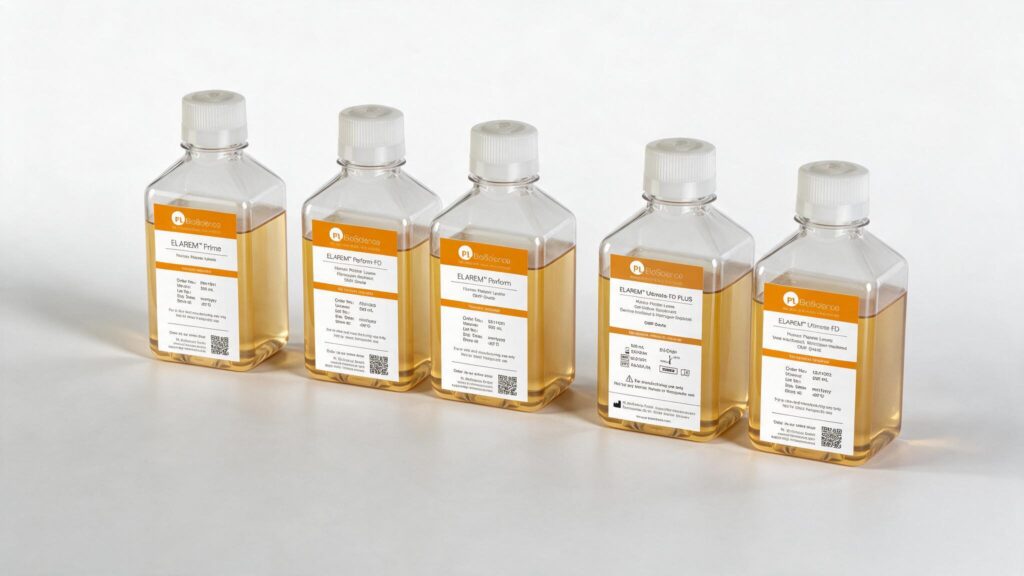
When platelets are lysed, they release the growth factors stored inside them — the same signalling molecules the human body uses to drive wound healing and tissue repair. In a culture dish, those growth factors bind to receptors on the cells and trigger the pathways that drive proliferation.
The practical question for every researcher is: how much HPL, exactly? The recommended starting range is 1–10% (v/v) in the culture medium — the correct concentration depends on the cell type and experimental conditions in use, not a single fixed number.
Traceable, from donor to vial
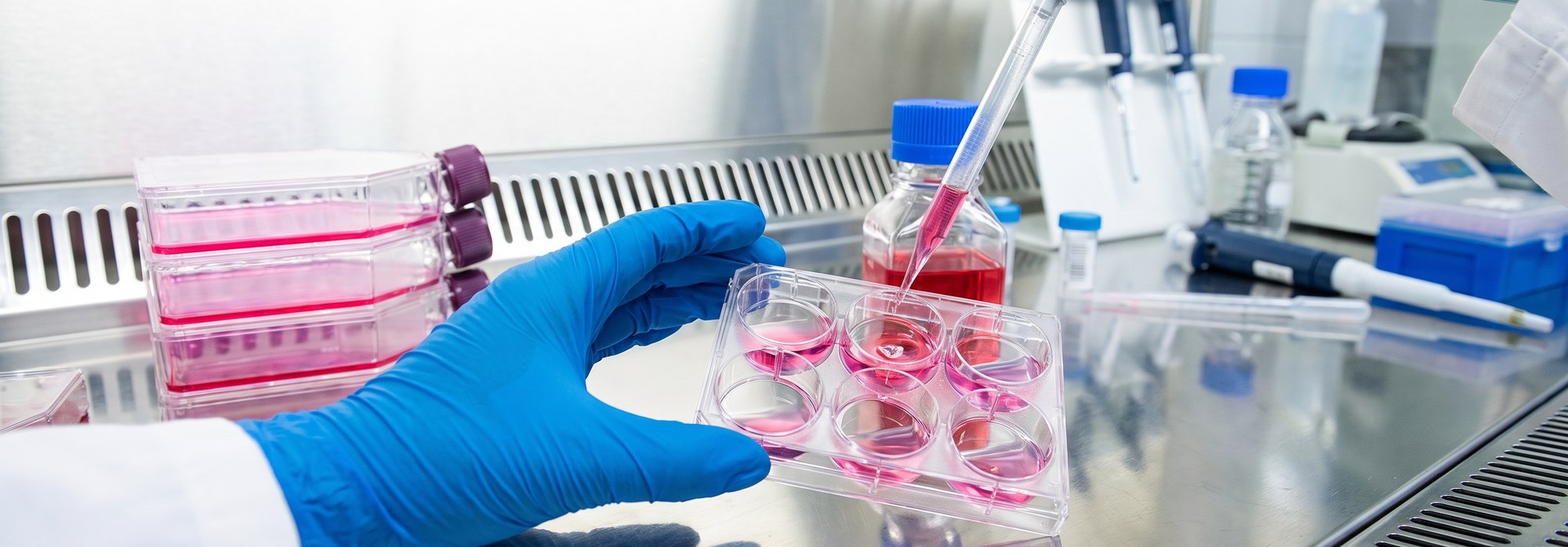
ELAREM™ products are manufactured from Platelet Units donated by healthy blood donors at licensed blood centres. Depending on the product, that origin is documented precisely — ELAREM™ Perform is produced from EU-origin platelet units, while ELAREM™ Perform-FD draws on US-origin material. Origin is not a footnote; it is a specification researchers actively compare across products.
Manufacturing happens in qualified Controlled Environment Rooms (CERs) and cGMP-compliant clean room areas. Multiple products are produced from large pools of Platelet Units, giving the process batch-to-batch consistency that a single-donor approach could never guarantee.
“Customers benefit from our look-back procedure enabling the tracing of every production step.”
That look-back capability means every batch can be traced backward through the entire production chain — a concrete answer to the quality and compliance questions that GMP-grade buyers ask before they ever request a quote.
- 01DonationPlatelet Units from healthy donors, licensed blood centres.
- 02PoolingLarge pools of Platelet Units for batch-to-batch consistency.
- 03ProcessingCER / cGMP-compliant clean room manufacturing.
- 04Look-back & releaseFull traceability of every production step before release.
Why researchers are switching from FBS
Fetal Bovine Serum (FBS) has been the default cell culture supplement for decades — but it comes with lot-to-lot variability, ethical sourcing concerns, and a growing list of regulatory questions in translational and clinical work. ELAREM™ was built specifically as the “simple switch” option for researchers making that move: xeno-free, animal serum-free, with the added convenience of fibrinogen-depletion for off-the-shelf use.
Clot-free, without adding anticoagulants
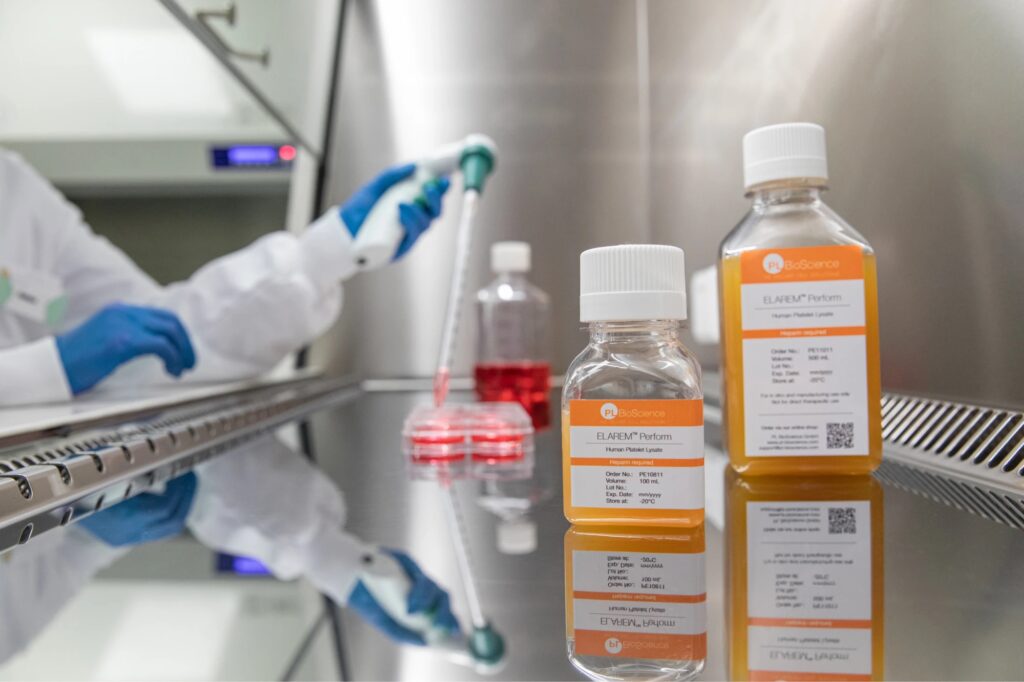
Untreated Human Platelet Lysate still contains fibrinogen, which can cause the medium to clot during handling — a practical nuisance that normally requires adding anticoagulants like heparin. ELAREM™’s fibrinogen-depletion technique removes that fibrinogen at the source, producing a lysate that is clot-free and anticoagulant-free, with no anticoagulant needed either during manufacturing or in the cell culture itself.
This isn’t a single feature — it spans the majority of the current portfolio. The table below shows which products carry which properties, so a researcher can quickly see what “FD” and “FD PLUS” actually change about handling.
An additional safety step.
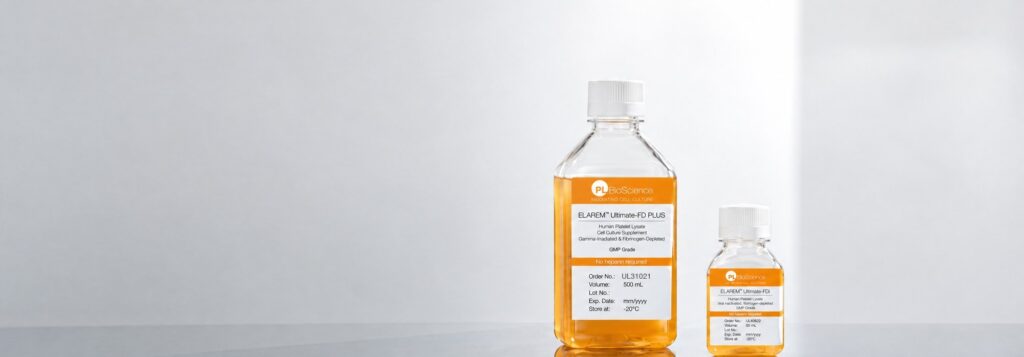
ELAREM™ Ultimate-FD PLUS · GMP Grade
The final manufacturing step.
A viral-clearance study demonstrates reduction of the tested viruses.
Not general evidence for the elimination of all viruses.
Now that you know how it works.
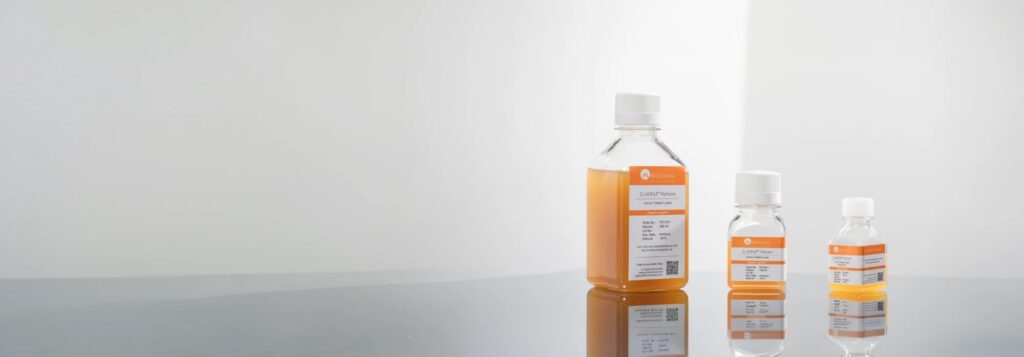
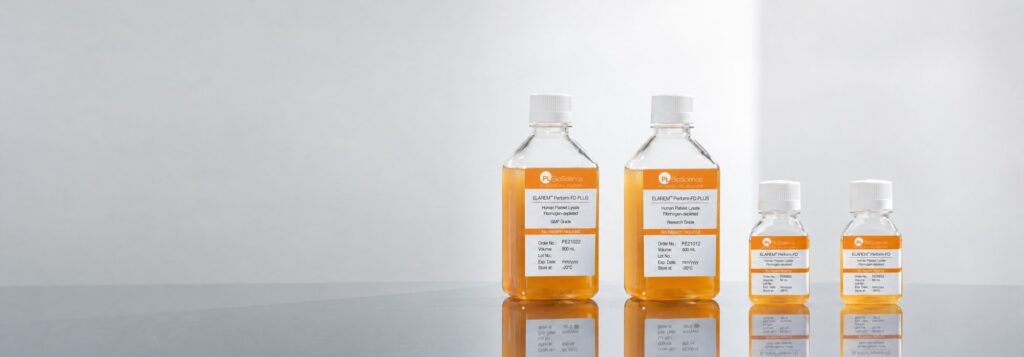
Every one of these principles — animal serum-free, traceable manufacturing, fibrinogen-depletion where it matters — is already built into a specific product family. Pick the one that matches your stage of work.

Our technical team can walk through your specific cell type, application and grade requirements — no sales pitch required.